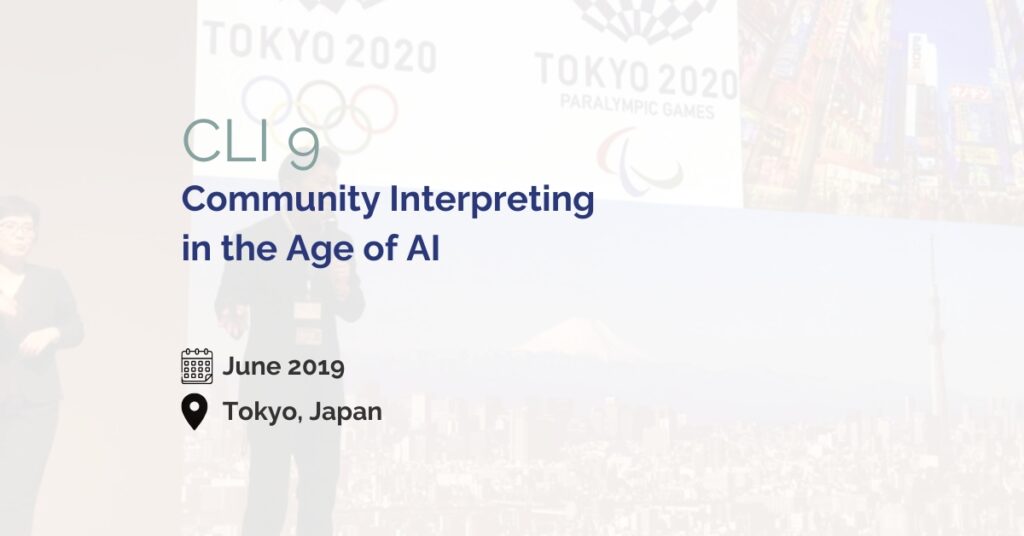
In 2019, Critical Link International brought the global community interpreting field together in Tokyo to explore a question that continues to shape our profession: how can technology support communication without losing sight of the people at its centre?
Hosted by the International University of Health and Welfare at its Akasaka campus, CLI9 welcomed 161 participants from 17 countries. Interpreters, researchers, educators, policy makers and service providers gathered to exchange knowledge, share experiences and consider the future of community interpreting.
Exploring interpreting in the age of AI
Under the theme Community Interpreting in the Age of AI, the conference examined the opportunities and challenges presented by artificial intelligence and machine translation.
Presenters explored how technology might assist interpreters, improve access to services and support professional development. They also considered important questions about accuracy, confidentiality and the ethical use of technology, particularly in situations where people’s health, rights and wellbeing are at stake.
Connecting perspectives across the field
The programme extended beyond technology to reflect the breadth of community interpreting. Keynote speakers included Professors Kumiko Torikai, Satoshi Nakamura, Sandra Hale and Claudia V. Angelelli. Through presentations, parallel sessions and posters, participants explored interpreting across different languages, cultures and service settings.
CLI9 provided a space to bring research, practice and lived experience into conversation. It reflected the importance of looking forward together: embracing new ideas while continuing to champion the professional expertise and human connection that make equitable communication possible.